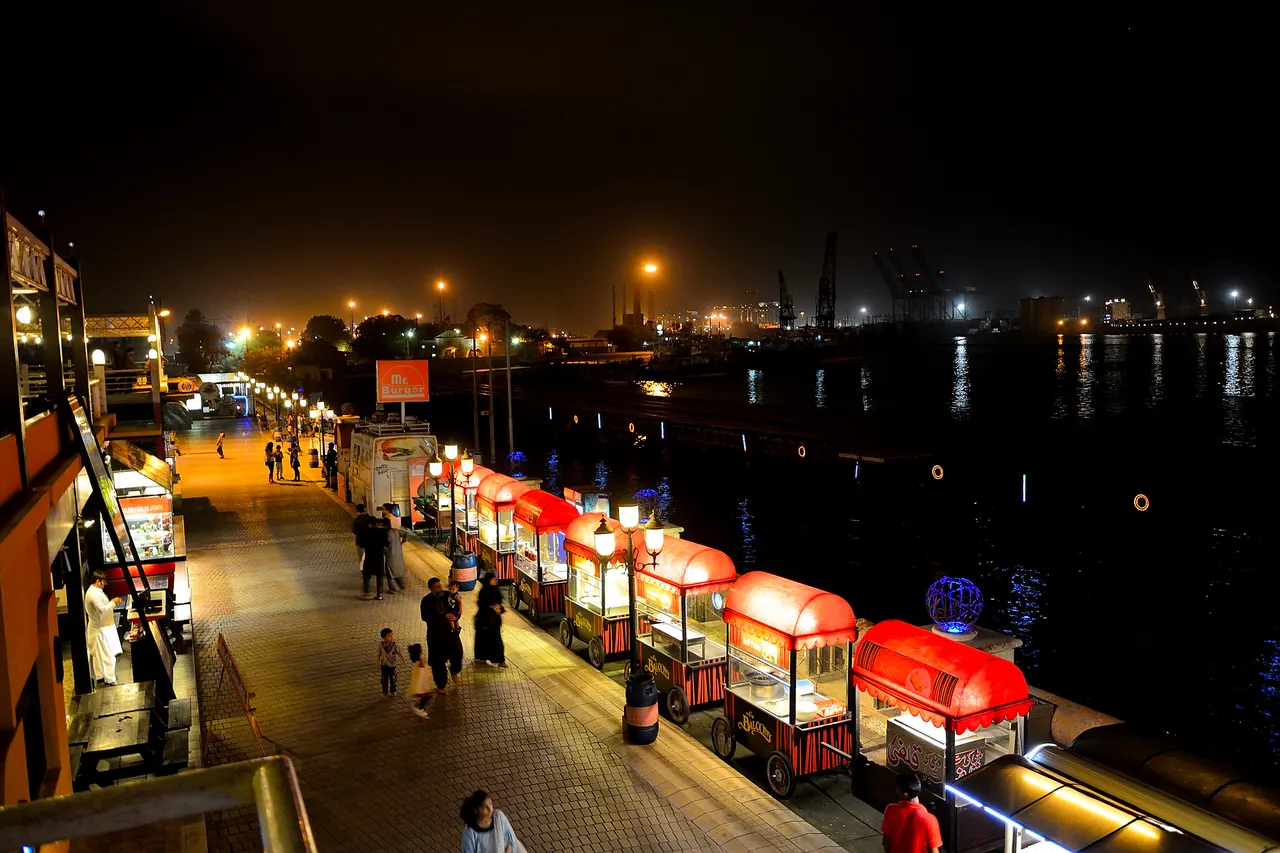
A Searing Invitation
The air in a Lahore food street is not merely oxygen; it is a heavy, intoxicating emulsion of charcoal smoke, blooming garam masala, and the metallic tang of deep-frying vats. Here, the boundary between nourishment and danger is blurred. As a video tour that has drawn 2.8 million views recently highlighted, there is a global fascination with the 'deadliest' street foods of Pakistan—dishes prepared with a disregard for sterile protocols that would baffle a health inspector in the West, yet are served to thousands daily.
To the uninitiated, these stalls represent a game of digestive roulette. To the local, they represent the absolute peak of culinary authenticity. In a country where the diet revolves around the communal ritual of rice and the tactile necessity of fresh naan, the street-side stall is the beating heart of society.
The Cultural Alchemy of Risk
South Asian culture, a complex tapestry woven from Vedic traditions, Buddhist philosophy, and centuries of Muslim and European influence, has long prioritized the sensory experience of food over the rigid scientific codification of safety. In Pakistan, the traditional methods of preparation—often passed down through generations—are seen as a safeguard in themselves. There is a deep-seated cultural belief that the intense heat of the flame, combined with the potency of local spices, renders the food safe, regardless of how it was handled or stored.
This isn't necessarily ignorance; it is a profound trust in the vendor. The relationship between the street food cook and the customer is built on reputation. When a vendor has operated on the same corner for thirty years, the 'risk' is perceived to have been mitigated by time. The danger, in the eyes of the patron, is not a failure of hygiene, but a failure of flavor.

Food safety is formally defined as the scientific method describing handling, preparation, and storage of food in a way that prevents food-borne illness; however, in the bustling marketplaces of South Asia, the definition of safety is often recalibrated to center on the continuity of tradition and the resilience of the local palate.
The Spice of Endurance
Food contamination—whether biological, chemical, or physical—is a reality that science warns against, yet it remains an accepted guest at the Pakistani table. The reliance on communal eating, where a single pot of nihari or a shared tray of biryani acts as a social glue, demands a collective tolerance for the unexpected. When a community eats from the same source, they share not only the sustenance but the inherent vulnerability of the process.
This culinary ecosystem thrives on the diversity of Pakistan’s landscapes. From the mountain-fed produce of the north to the coastal yields of the south, each region brings its own unique risks and rewards. The consumption of tea—a ritual performed daily in staggering quantities—serves as a constant, soothing anchor amidst the chaos of more volatile street-side offerings. It is the great neutralizer, a consistent, safe harbor in a diet defined by its bold, aggressive spices and long-simmered depths.
Why We Crave the Edge
Why do we seek out the food that might hurt us? Perhaps it is because the 'safest' meals are often the most sanitized, stripped of the character that comes from raw, human interaction. In Pakistan, the most beloved street foods are those that require a leap of faith. They are the dishes that taste like history—not the sterilized history found in textbooks, but the living, breathing history of people who have survived by valuing connection and flavor above all else.

As we navigate a world increasingly obsessed with tracking and tracing every ingredient, the street stalls of Pakistan offer a defiant alternative. They remind us that to eat is to engage with the world, and sometimes, to truly taste a place, you must be willing to accept the danger that comes with the experience. It is a reminder that in the vibrant, chaotic, and deeply human landscape of Pakistan, the most authentic bite is often the one that comes with a story, a scent, and a little bit of uncertainty.