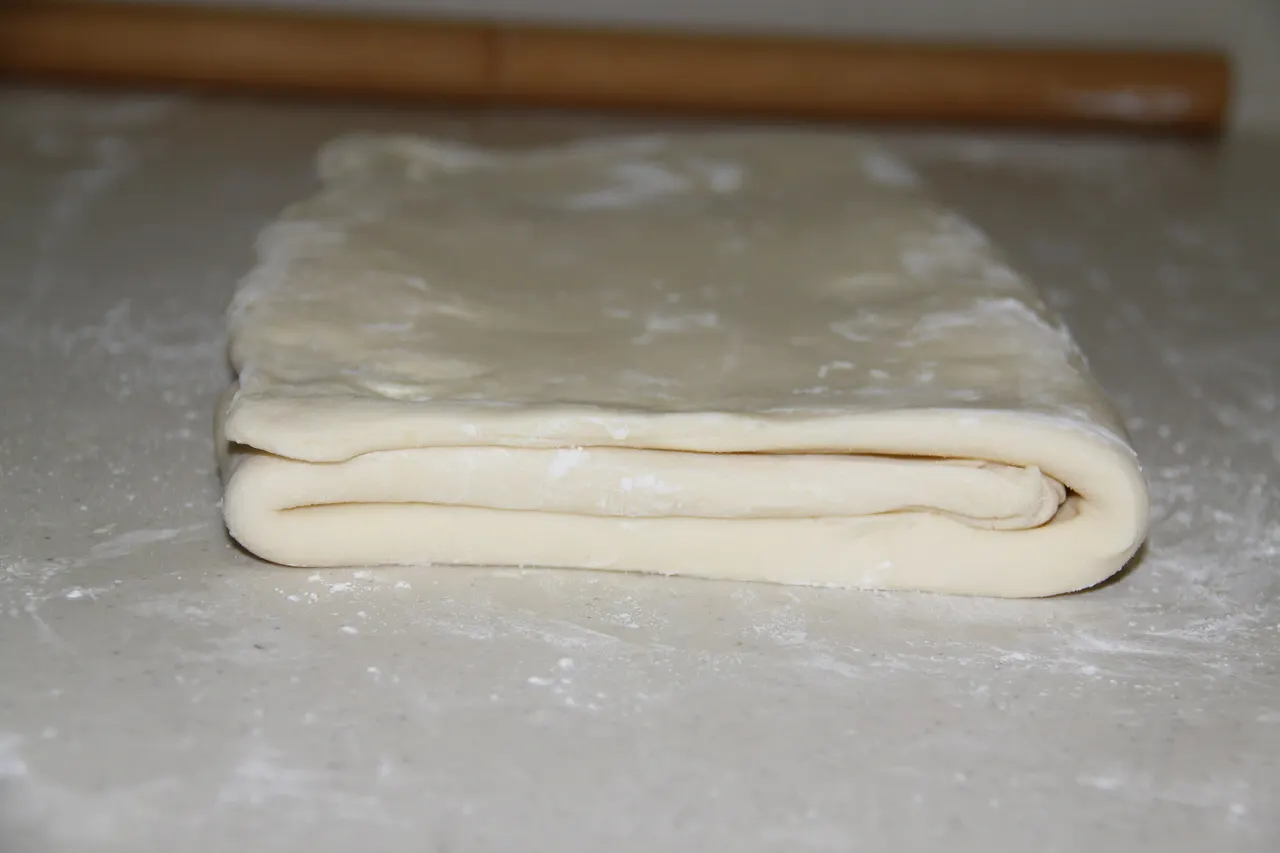
On a crisp autumn morning in Seoul’s Seongsu-dong district, the air does not just smell of toasted wheat and caramelized sugar. There is something deeper, an earthy undertone of toasted grain and fermented complexity that signals you are no longer in a traditional Parisian boulangerie. Inside a minimalist, concrete-walled atelier, a pastry chef meticulously pipes a cream infused with misutgaru—a traditional Korean roasted grain powder—into a perfectly laminated croissant that shatters with the fragility of fine glass.
Seoul has long been a city of rapid evolution, but its current transformation of the sweet palate is perhaps its most delicious. While the city's population has seen a slight decline to 9.6 million as of 2024, its cultural influence has only intensified. The broader Seoul Metropolitan Area now stands as the world's sixth largest metropolitan economy, a powerhouse that rivals New York and Paris not just in finance, but in the creative arts of the kitchen. This economic weight has provided the foundation for a sophisticated bakery scene that is currently captivating the world; a video tour of the city's most famous bakeries by creator Doobydobap has already drawn 0.5 million views, reflecting a global hunger for Seoul’s unique aesthetic.
The Architecture of the Modern Korean Crumb
For centuries, the Korean dessert landscape was dominated by tteok (rice cakes) and hangwa (traditional confections), rooted in ancient agricultural traditions. These sweets were characterized by their chewy textures and subtle sweetness, often derived from honey, ginger, and grains. However, as Korean popular culture has gained global popularity, the nation's culinary styles have undergone a radical synthesis. The modern Seoul bakery is no longer just a place to buy bread; it is a laboratory where the butter-heavy precision of the West meets the fermented soul of the East.
The distinction between a simple bakery and a high-end pâtisserie has blurred in the narrow alleys of neighborhoods like Hannam-dong and Ikseon-dong. Here, bakers treat pastry dough—that versatile mix of flour, fat, and eggs—as a canvas for hyper-local ingredients. You might find a kouign-amann glazed with doenjang (fermented soybean paste) caramel, or a tartlet featuring the citrusy brightness of yuja paired with the deep, smoky notes of black sesame. It is a sophisticated dialogue between the unleavened traditions of Europe and the vibrant, seasonal pantry of the Korean peninsula.

By 2022, the Seoul Metropolitan Area emerged as the world's sixth largest metropolitan economy, surpassing major global hubs and providing the capital for a luxury dessert revolution.
From Ancient Grains to Global Trends
The success of this movement lies in its respect for history. Korean cuisine originated from nomadic traditions in Korea and southern Manchuria, evolving through centuries of social and political change. This history taught Korean cooks how to find flavor in the landscape through preservation and fermentation. Modern bakers are now applying these ancient principles to the oven. By using ingredients like mugwort (a bitter, aromatic herb) or black rice, they are creating a flavor profile that is distinctly Korean but presented in a form—the puff pastry, the brioche, the tart—that is universally understood.
This evolution also reflects a change in how Seoulites consume food. Many retail bakeries in the city are now categorized as cafés, acting as third spaces where coffee culture and high-end pastry intersect. These establishments serve as social hubs for a population that, despite the city’s massive size, seeks out intimate, sensory experiences. The meticulous presentation of these goods—often resembling jewelry more than food—is a testament to the high standards of a city that has become a global trendsetter.
The New Frontier of the Pâtisserie
What makes Seoul’s dessert scene so potent is its refusal to merely mimic the French masters. While the techniques remain rigorous—the lamination must be precise, the ganache must be silky—the soul of the pastry is local. This is not "fusion" in the chaotic sense of the 1990s; it is a thoughtful integration. When a baker uses shinsun-cho (angelica tree shoots) or local chestnuts from Gongju, they are telling a story of the Korean natural environment through a medium that was once considered entirely foreign.

As Korean cuisine continues to permeate global markets, the Seoul bakery stands as a symbol of the country's soft power. It represents a culture that is confident enough to borrow the best of the world's techniques while remaining fiercely protective of its own flavors. For the traveler, a visit to a Seoul bakery is no longer a detour; it is a primary destination, offering a literal taste of how a global economy can still maintain a local heart. In the shatter of a crust or the tang of a fermented fruit glaze, one finds the history of a peninsula and the future of global pastry culture, all contained within a single, perfect bite.