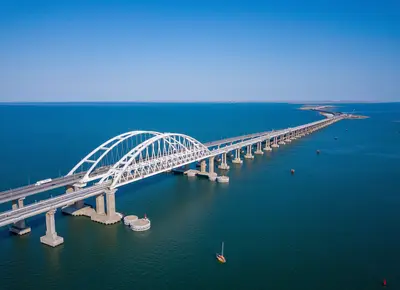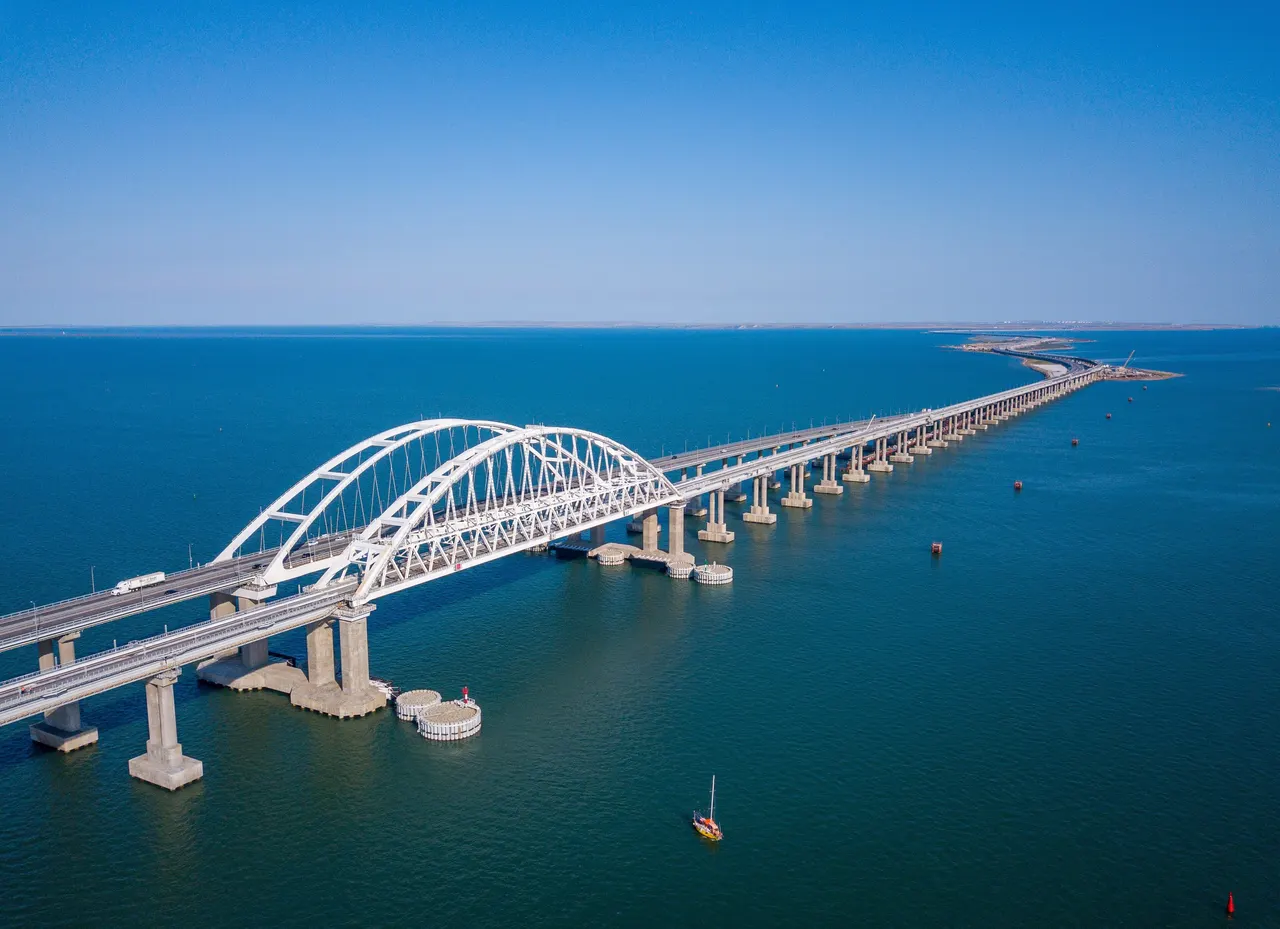
Ukrainian forces critically damaged the strategic Kerch Bridge connecting occupied Crimea to mainland Russia on Tuesday, November 17, 2026, causing a massive road span to collapse and isolating the peninsula from direct Russian land transit. The overnight operation, which utilized what Ukrainian sources identified as Flamingo missiles and maritime drones, resulted in the suspension of all vehicle traffic across the 19-kilometer structure. Simultaneously, Russian retaliatory strikes hit the Northern and Southern bridges in Kyiv, significantly damaging the Ukrainian capital's transit network and utility infrastructure. According to the Moscow-installed governor of Crimea, Sergei Aksyonov, at least two people were killed during the strikes in the Leninsky district, marking the second consecutive day of intensive aerial exchanges between the two nations.
How much damage was caused to the Kerch Bridge?
The Kerch Bridge, a $3.7 billion crossing that serves as the primary logistical artery for Russian military supplies, suffered what appears to be its most significant structural failure since the start of the conflict. Analysis of images geolocated by CNN and reports from United24 Media indicate that an entire road section, including a 227-meter steel arch, fell into the Kerch Strait. While the parallel railway bridge remains standing, Ukrainian officials claim it has also sustained notable damage, potentially limiting its capacity to move heavy freight. The Maritime Executive reported the destruction of the navigation span, effectively blocking the waterway that connects the Sea of Azov to the Black Sea. Although the Russian Ministry of Transport initially characterized the damage as minor, the TASS news agency later confirmed that a high-level government commission, led by Deputy Prime Minister Marat Khusnullin, was convened on Tuesday to address the total collapse of the road segment.
How did Russia respond to the bridge attack?
Russia launched a massive retaliatory wave of drones and ballistic missiles targeting the heart of the Ukrainian capital, specifically focusing on the bridges spanning the Dnipro River. Kyiv Mayor Vitali Klitschko reported that the Northern and Southern bridges were struck, forcing an immediate halt to all vehicle and subway traffic across these vital links. The bombardment caused widespread disruption to the city's heating, water, and power grids, leaving hundreds of apartment buildings on the Left Bank without essential services during a period of freezing temperatures. Beyond the capital, the Russian Ministry of Defence claimed to have intercepted a record 1,441 Ukrainian drones across 23 regions, including more than 800 reportedly flying toward Moscow. Meanwhile, Russian strikes hit energy facilities in nine different Ukrainian regions, with Deputy Energy Minister Artem Nekrasov citing "extremely difficult" conditions in the Dnipropetrovsk and Zaporizhzhia districts following the loss of electricity.
What is the strategic importance of the Kerch Bridge?
The Kerch Bridge is more than a transit route; it is a symbol of Russian authority over Crimea, which Moscow annexed in 2014. Completed in 2018 and personally inaugurated by President Vladimir Putin, the nearly 12-mile structure was designed to transport 40,000 vehicles and millions of tons of cargo annually. For the Russian military, the bridge is the most efficient way to supply forces in the occupied Kherson region. With the roadway now severed, Russian forces and civilians must rely on a precarious land corridor through southern Ukraine, a route that The Guardian notes is highly vulnerable to Ukrainian drone strikes. The political cost is equally high, as the strike occurred just 48 hours before a scheduled trilateral meeting in Shenzhen, China, between President Putin, Chinese leader Xi Jinping, and U.S. President Donald Trump, where the war in Ukraine is expected to be a primary focus.

"Supporting Ukraine is not an act of charity. It is about far more than solidarity or assisting a nation under attack; it is about the security of Europe," stated German Defence Minister Boris Pistorius to The Guardian.
How are international allies reacting to the escalation?
International observers and defense ministers have characterized the latest escalation as a sign of an exceptionally difficult winter ahead for the region. German Defence Minister Boris Pistorius announced a $300 million air defense package for Kyiv, noting that Russia is intensifying its aerial assaults because it is failing to make progress on traditional battlefields. Danish Defence Minister Jeppe Bruus echoed these concerns, warning that the cost of a Ukrainian defeat would far exceed the current price of military aid. These statements come as U.S. mediators attempt to find a diplomatic breakthrough ahead of the Shenzhen summit. While Donald Trump has prioritized ending the war, recent mediation efforts in the United Arab Emirates failed to produce a ceasefire agreement. The current strikes on critical infrastructure appear intended to maximize leverage for both sides before these high-stakes diplomatic talks begin on Thursday.
What happens next?
The immediate future remains uncertain as the scale of structural repairs required for the Kerch Bridge is evaluated by Russian engineers. Ukrainian commentators have suggested that the fallen steel arch cannot be easily or quickly replaced, which may leave the peninsula dependent on sea ferries and the vulnerable land bridge for months. Russian state media has confirmed that a special commission will determine the timeline for restoration, but no specific dates have been released. In Kyiv, the status of the Northern and Southern bridges remains critical; while the structures are still standing, the suspension of traffic has created massive gridlock on both sides of the Dnipro River. Observers are now waiting to see if the planned Shenzhen summit on November 19 will result in any cooling of hostilities or if the targeted destruction of energy and transport infrastructure will continue to intensify through the winter months. Neither side has yet confirmed if the railway portion of the Kerch Bridge is safe for heavy military hardware in its current state.
Sources: This report draws on coverage by The Guardian, BBC News, CNN, Al Jazeera, DW.com, The Maritime Executive, UNITED24 Media, Diplomacy and Law. The wording is our own.