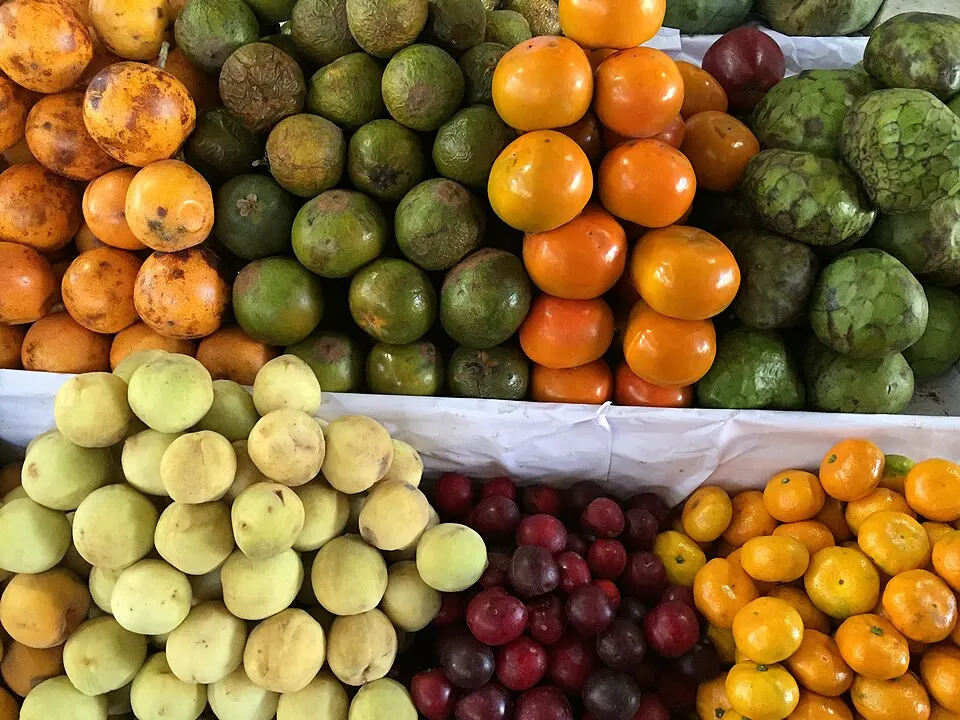
Dawn breaks over the central coastal desert of Peru with a damp, saline fog rolling off the Pacific Ocean. Long before the morning sun cuts through the coastal mist, the valleys of the Chillón, Rímac, and Lurín Rivers come alive with a frantic energy. In Lima, the nation’s political, commercial, and culinary heart, the city’s heart beat loudest inside its public food markets. Here, amid stacked crates of purple corn, towering piles of native tubers, and the sharp brine of freshly caught sea bass, the story of Peruvian identity is quietly chopped, seasoned, and served every single morning.
The Crucible on the Coast
Lima is a city shaped by its geography and its global crossroads. Sitting squarely on the Pacific coast, the capital metropolis—which extends into the autonomous port province of Callao near the Jorge Chávez Airport—has long served as the primary doorway into South America. Yet, the foundational flavors of Peruvian cuisine originated thousands of years ago in the pre-Columbian indigenous traditions across three drastically different geographical landscapes: the arid Pacific coast, the towering Andes, and the dense Amazon basin.
When Spanish colonizers arrived in the 1530s, they initiated a centuries-long chain of global migration. Waves of settlers and laborers from Europe, Africa, the Middle East, and Asia arrived in the coastal valleys. Lacking the familiar ingredients of their homelands, these immigrant communities adapted. They brought their ancestral cooking techniques—from African roasting methods and Arab spices to Cantonese wok stir-frying and Japanese raw fish preparation—and applied them to the wild abundance of local Peruvian produce. The result was not merely survival food, but the birth of one of the world's most complex and inventive gastronomic traditions.
Where History Meets the Wok
Walk through the narrow aisles of any neighborhood market in Lima today, and this layered history becomes immediately edible. The air is an intoxicating mixture of fried garlic, crushed ají amarillo peppers, and toasted cumin. At one counter, a vendor flash-sears strips of beef with red onions, tomatoes, and soy sauce over a roaring flame—a dish known as lomo saltado, which perfectly captures the 19th-century Chinese immigrant influence on traditional Andean staples.

A few steps away, a market stall owner slices raw sea fish into delicate cubes, flash-curing it in freshly squeezed lime juice, salt, and fiery chilies. This signature ceviche showcases how coastal indigenous practices were refined over generations, influenced in part by Japanese immigrants who elevated the treatment of raw seafood across the city. Modern Lima cuisine is defined by these improvisations, turning market stalls into living archives of historical synthesis.
"According to the Food and Agriculture Organization, an estimated 2.5 billion people worldwide eat street food every day, relying on local vendors for essential daily nutrition and economic opportunity."
The Democratic Table of Street Food
While high-end gastronomy in Lima frequently captures international headlines, the true cultural heart of Peruvian food remains firmly rooted in its street food and market culture. Sold from modest wooden food carts, portable metal booths, and market counters, these meals offer immediate, high-flavor nutrition. Street food is inherently democratic: it provides quick access and affordable sustenance for daily workers while generating vital income for family-run stalls.
Unlike cultures where eating while navigating public spaces is discouraged, in Peru the communal act of gathering around a market stall is a vital social ritual. It is a shared public experience where executive office workers, port laborers from Callao, and neighborhood families sit side-by-side on plastic stools, waiting for their morning plate of hot anticuchos or clear fish broth.

This vibrant street food environment has ignited a global fascination. The captivating visual spectacle of Lima’s food markets is highlighted in a video tour that has drawn 12.4 million views online, reflecting how deeply the world has fallen in love with Peru's public food culture. International travelers increasingly bypass pristine dining rooms to seek out the authentic sizzle of high-heat woks in crowded market corridors.
A Edible Bridge to National Identity
In a country divided by dramatic geography—from the high peaks of the Andes to the lowland Amazonian rain forests—the market stall serves as an essential bridge. Ingredients that once took weeks to travel down from mountain terraces now land directly in coastal market baskets. Native ingredients like freeze-dried potatoes, Amazonian fruits, and high-altitude grains are seamlessly integrated into everyday coastal cooking.
Today, Peruvian identity is inseparable from its plate. The market vendors of Lima have achieved something extraordinary: they have taken centuries of colonial hardship, foreign displacement, and geographical isolation, and cooked them down into a unifying sense of national pride. Through every bowl of citrus-cured fish and every smoke-kissed stir-fry served at a bustling street booth, Lima’s markets continue to tell the story of a nation that learned to heal, harmonize, and define itself through the universal language of food.