The Evidence: Rethinking Movement After ACL Reconstruction
For years, a central anxiety for patients recovering from anterior cruciate ligament (ACL) reconstruction has been the fear that physical exertion might prematurely wear down the knee joint. However, a series of new findings is challenging the long-held belief that exercise post-surgery leads to joint degradation. According to research highlighted by ScienceDaily and SciTechDaily within the last two weeks, the right kind of exercise could help protect young adults from early knee osteoarthritis.
A primary study tracked the progress of patients through a four-month supervised rehabilitation program. Researchers found that far from causing harm, active recovery showed no signs of cartilage damage. This is a significant shift in perspective, as osteoarthritis is a degenerative joint disease resulting from the breakdown of joint cartilage and underlying bone. By utilizing structured movement, patients may actually be fortifying the environment of the knee joint against this breakdown.
"New research suggests that a four-month supervised rehabilitation program may protect young adults from early knee osteoarthritis following ACL surgery, finding no signs of cartilage harm from exercise."
The strength of this evidence is supported by multiple outlets, including UA.NEWS and Bioengineer.org, which have reported on various aspects of recovery, from brace-free protocols to the use of smartphone data to identify distinct recovery phenotypes. While every recovery journey is unique, the emerging consensus suggests that movement is medicine for the post-operative knee.
Why Targeted Movement Matters
The ACL is critical for knee stability; when it is torn, the joint often loses its ability to handle pivoting and rotational forces. Surgery restores the mechanical structure, but it is the rehabilitation that restores function. Understanding why exercise protects the joint requires a look at the biological changes that occur after surgery. Recent reports from Bioengineer.org indicate that knee fat pad fibrosis can progress rapidly within six months after surgery. Active rehabilitation helps manage these changes, ensuring the joint remains mobile rather than stiffening through fibrotic tissue growth.
Step 1: Prioritize Supervised Rehabilitation
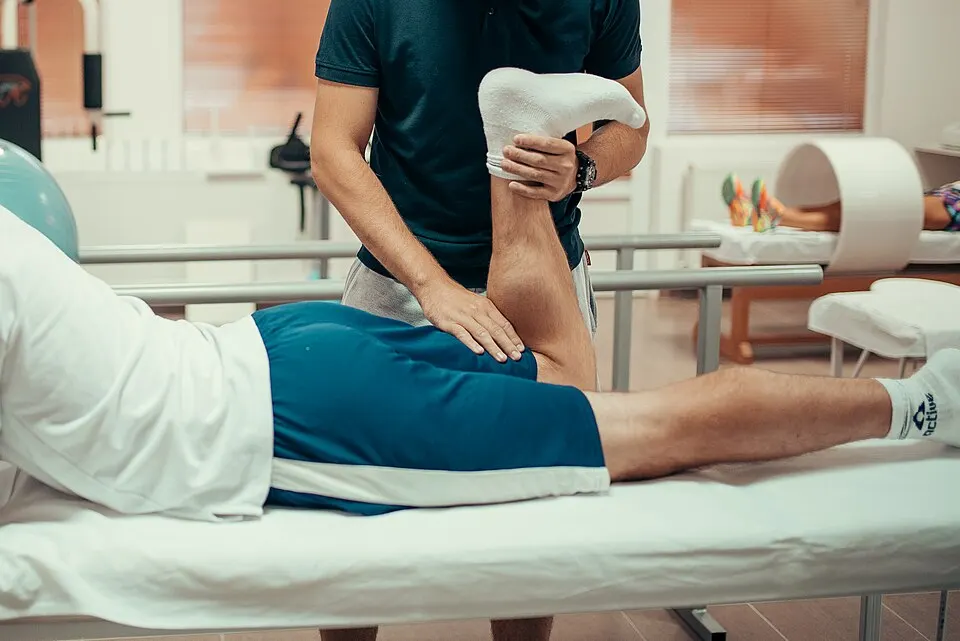
The most robust protection against future arthritis comes from structured, supervised programs. According to the Cureus journal, a structured home-based rehabilitation protocol has shown positive early functional outcomes. A supervised setting allows a physical therapist to monitor for signs of knee effusion (swelling) and ensure that the loading of the joint is progressive rather than haphazard.

Step 2: Embrace a Brace-Free Recovery Under Guidance
Long-term data is now questioning the necessity of restrictive bracing. Bioengineer.org reported on a study showing that brace-free ACL rehabilitation matches the long-term outcomes of traditional braced methods over a five-year period. This suggests that allowing the knee to experience a natural range of motion early on—under professional supervision—does not compromise the stability of the graft or the health of the cartilage.
Step 3: Monitor Progress Through Technology
Modern recovery is becoming increasingly data-driven. New findings suggest that smartphone data can now identify "recovery phenotypes," helping clinicians understand how different patients respond to exercise. For the reader, this means that tracking daily steps and activity levels can provide valuable feedback to a healthcare team, allowing for a more tailored and safer return to sport or daily activities.
Myth-Buster: Does Exercise Cause Wear and Tear?
The Belief: Many patients believe that every step taken after surgery is a "withdrawal" from a finite bank of cartilage, and that resting the knee as much as possible will preserve it for the future.
The Evidence: Clinical observations reported by SciTechDaily challenge these fears. Cartilage is a living tissue that requires the mechanical loading of exercise to stay healthy. Without movement, the joint lacks the necessary stimulation to maintain its density and lubrication. The latest studies found no evidence of cartilage thinning or damage in those who participated in supervised exercise. Instead, these patients may be less likely to develop the activity-limiting stiffness and pain associated with osteoarthritis.

Realistic Expectations for Recovery
Recovery is rarely a linear path. While the evidence points toward the benefits of exercise, the timeline varies significantly. For instance, reports regarding cyclists regaining fitness suggest that recovery times fluctuate based on which part of the body was injured and the intensity of the previous fitness level. Patients should expect a minimum of four months of dedicated rehabilitation to see the protective benefits against osteoarthritis. Those experiencing persistent pain may find relief in emerging treatments; for example, News-Medical recently reported that the medication retatrutide has shown potential in reducing knee pain and body weight in certain osteoarthritis patients, though this is typically a secondary consideration to physical therapy.
As you navigate your recovery, it is essential to remember that movement is a tool for preservation. Individuals with specific concerns about their surgical graft or joint pain should consult a healthcare professional to design a movement plan tailored to their specific anatomy.
Sources: This report draws on coverage by ScienceDaily, UA.NEWS, Bioengineer.org, Science Daily, SciTechDaily, Cureus, UCHealth, TodoMountainBike. The wording is our own.