What the New Research Reveals
For decades, detecting Alzheimer's disease—the neurodegenerative condition responsible for 60 to 70 percent of dementia cases—has primarily relied on observing noticeable memory loss and cognitive decline. However, a growing body of scientific research is shifting the diagnostic timeline significantly backward, searching for subtle biological and behavioral signals long before outward symptoms appear.
Recent findings highlight two major frontiers in non-invasive early detection: subtle brain structural changes and nuances in spoken language. Johns Hopkins scientists discovered that Alzheimer’s may start shrinking two specific brain regions involved in memory up to a decade before memory loss begins. In parallel, Stanford researchers uncovered hidden patterns of brain activity that predict Alzheimer’s risk years before memory problems become apparent.
Simultaneously, speech processing technology is transforming how clinicians view everyday communication. The New York Times reported that researchers are increasingly embracing what was once considered a fringe idea: that subtle changes in speech can help predict and track cognitive decline. By analyzing digital representations of speech signals, specialized algorithms can detect microscopic shifts in phrasing, tone, and pause lengths that human ears might easily miss.
Evaluating the Strength of the Evidence
While these breakthroughs offer promising avenues for early intervention, understanding their current scope requires a look at how these technologies are evaluated and deployed:
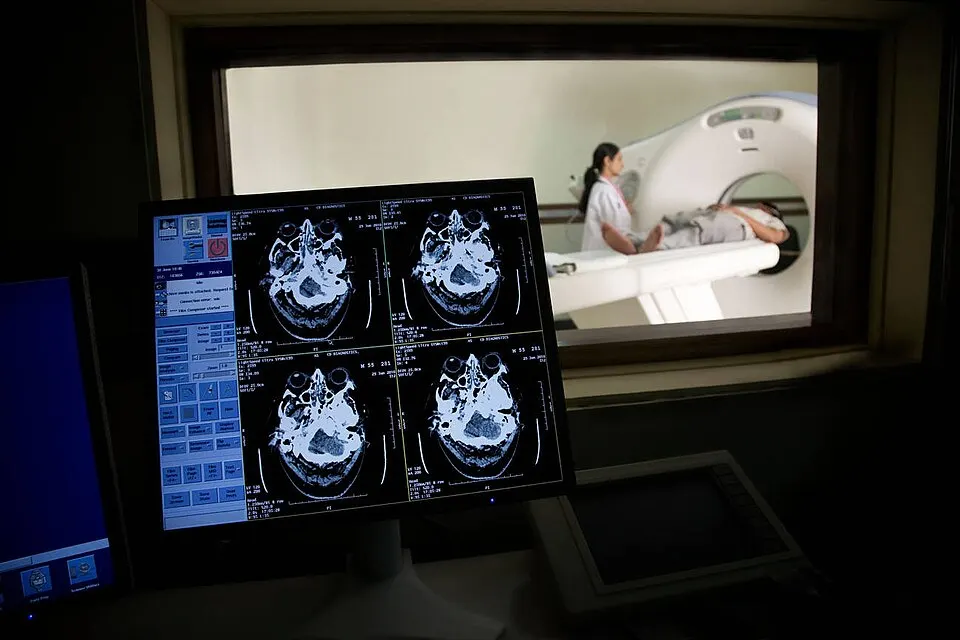
- Brain scans and structural tracking: Magnetic resonance imaging (MRI) uses strong magnetic fields and radio waves to create detailed pictures of internal anatomy without ionizing radiation. Using high-resolution scans, researchers can track precise volumetric changes in memory-related regions, though access to routine preventative scans remains limited.
- Speech processing and digital markers: Advances in digital signal processing allow computers to analyze speech acquisition, transfer, and acoustic properties. Recent work highlighted by Bioengineer.org points to federated speech systems, which process audio to detect early Alzheimer’s markers while explicitly protecting user audio privacy.
- Broader biomarker landscape: Alongside imaging and voice monitoring, blood tests for Alzheimer's disease and broader diagnostic evaluations are gaining traction, as noted by sources like Everyday Health and Bill Gates in recent updates on dementia research tools.
Hidden warning signs of Alzheimer’s disease may appear in two memory-related brain regions up to a decade before measurable memory loss begins.
What Experts and Media Outlets Say
Reporting across science and news outlets emphasizes both the potential and the privacy considerations of these early detection tools. ScienceDaily highlighted that hidden brain signals and localized shrinkage offer an early warning system that could fundamentally change therapeutic timelines. The New York Times noted that analyzing voice patterns is moving from an intriguing hypothesis into an established field of study, giving clinicians a non-invasive window into neurological function.

Crucially, recent technical developments emphasize ethical safeguards. As Bioengineer.org reported, modern speech detection systems are being constructed around federated frameworks, ensuring that sensitive vocal data can be analyzed for risk markers without compromising individual privacy.
What This Means for Readers
Early identification of cognitive decline is crucial because it opens the door to proactive management, lifestyle adjustments, and potential therapeutic interventions before extensive neuronal damage occurs. While initial Alzheimer's symptoms historically presented as difficulty in remembering recent events, these novel imaging and speech tools aim to identify risk during the asymptomatic phase.
It is important to maintain realistic expectations. These diagnostic techniques reflect cutting-edge research methodologies rather than immediate replacements for standard clinical evaluations. Recognizing subtle vocal shifts or minor brain activity changes serves to complement, rather than replace, traditional medical care.
If you or a family member have specific concerns regarding memory loss, language difficulties, or cognitive health, you should consult a qualified healthcare professional for guidance and formal evaluation.
Sources: This report draws on coverage by ScienceDaily, The New York Times Well, Stanford Report, Everyday Health, Gates Notes, Bioengineer.org. The wording is our own.