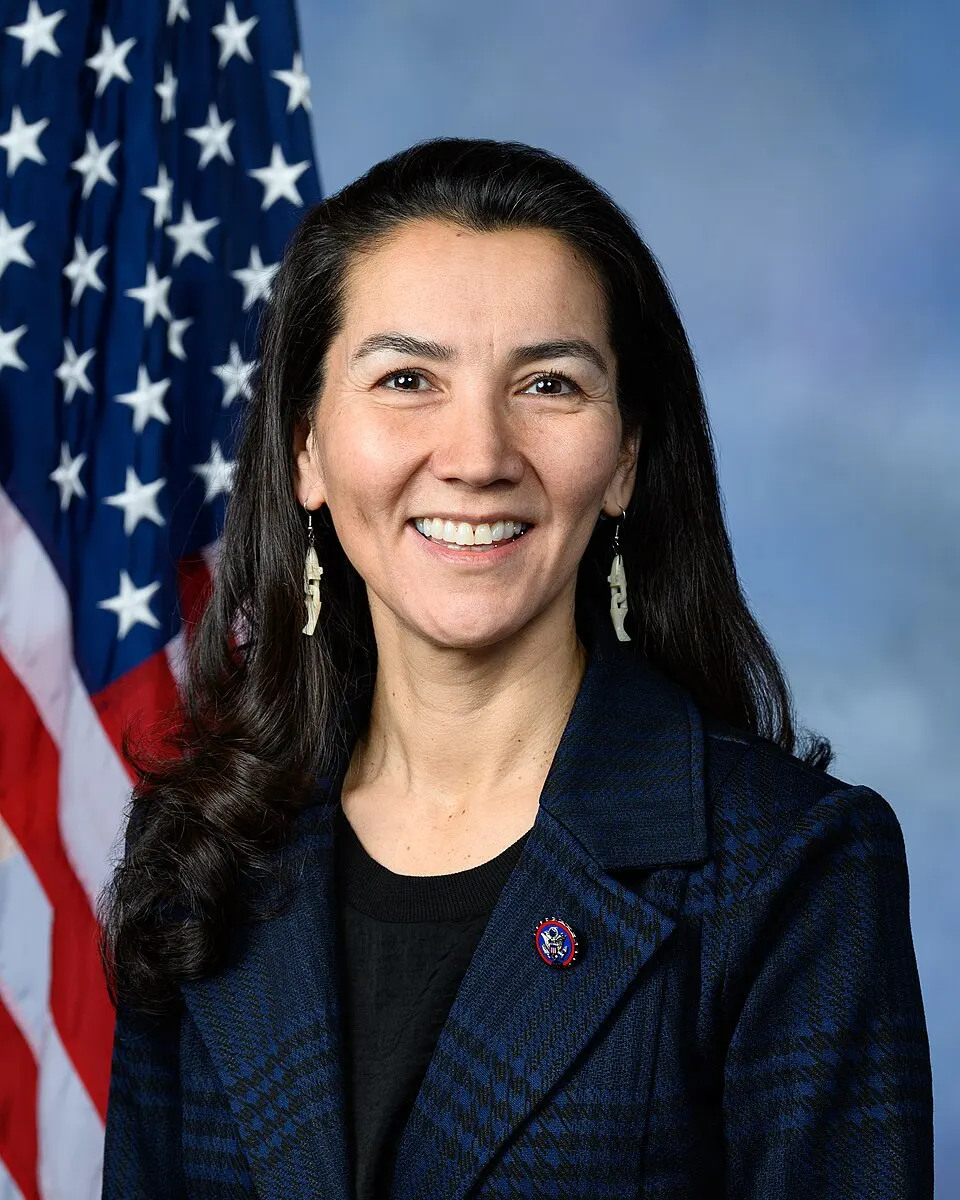
The Architect of the 56-44 Majority
In the quiet, methodical finalization of Alaska's ballot counts, a seismic shift in American governance was confirmed. Two weeks after the polls closed, Mary Peltola was declared the winner of the state's U.S. Senate race, effectively ending a long-contested battle and handing the Democratic Party a 56-44 majority in the upper chamber. For a party that has navigated a bruising midterm cycle, Peltola’s ascent represents more than just a seat—it is the capstone of their electoral momentum.
As the first Alaska Native ever elected to the United States Senate, Peltola’s victory is inherently historic. Yet, it is also the latest turn in a political career defined by unconventional paths and surprising resilience. Her win against incumbent Republican Dan S. Sullivan marks a significant realignment in Alaska politics, transforming the Senate landscape in Washington and providing Democrats with a cushion of power that will dictate the legislative agenda for the coming term.
A Path Forged in Alaska’s Frontiers
Born on August 31, 1973, Mary Sattler Peltola has long moved within the sphere of Alaskan public service. Before her historic transition to the Senate, she served as a judge on the Orutsararmiut Native Council's tribal court, worked as executive director of the Kuskokwim River Inter-Tribal Fish Commission, and sat as a Bethel city councilor. These roles grounded her in the specific, localized realities of Alaskan geography and community interests long before she arrived on the national stage.
Her legislative career began in the Alaska House of Representatives, but it was the 2022 special election that brought her into the national consciousness. Following the death of the legendary Alaska Congressman Don Young, Peltola navigated a high-stakes campaign to defeat Sarah Palin and Nick Begich III. That victory, which made her the first Democrat to represent Alaska in the House since 1972, proved she could connect with voters in a deep-red state. Though she lost her seat in the 2024 election to Nick Begich III, her return to the political arena in 2026 to challenge Sullivan proves that her appeal within the Last Frontier remained potent.

Peltola’s victory over Senator Dan Sullivan cements her status as a singular force in American politics, confirming her as the 56th Democrat in the Senate and effectively ending the Republican challenge for the seat.
The Style and The Stakes
Peltola operates with a style that defies the binary national political narrative. In a political culture often defined by rigid partisan theater, her success relies on a unique blend of local advocacy and moderate positioning. To her admirers, she is a pragmatic consensus-builder who understands the specific needs of Alaska Native communities and the complex interplay of resource management in the state. To her critics—and those in the Republican camp who remain wary of the results—her victory is a disruption of a status quo they believe served Alaska well under a different ideological banner.
The controversy surrounding the race, which saw tensions escalate as ballot counting dragged on, reflects the sharp divide currently characterizing American elections. While some Republican factions have signaled an intent to challenge the final tabulation, the objective reality is clear: the seat has flipped. The stakes for this new majority are immense. With 56 seats, the Democratic caucus now holds a more comfortable margin to push through judicial appointments and legislative priorities, transforming the Senate from a chamber of narrow margins into a more functional arm of the party’s broader platform.
What to Watch Next
As Peltola prepares to take her seat in Washington, the focus will shift from the counting of ballots to the realities of her committee assignments and her first votes. Her presence in the Senate will be closely scrutinized by both sides of the aisle. For the Democratic leadership, she is the crucial link in a newly reinforced majority. For the Republican opposition, she is the target to watch as they recalibrate their strategy in a state that was once considered a reliable stronghold.

Beyond the raw math of the 56-44 split, the symbolic weight of her tenure cannot be overstated. As the first Alaska Native senator, she carries the hopes of constituents who have long awaited representation at the highest level of federal power. Whether she can translate that historic promise into effective legislation that spans the vast cultural and political distances between Alaska and the nation's capital remains the defining question of her mandate.
Sources: This report draws on coverage by BBC News, TIME, Alaska Public Media, Alaska Beacon, The Washington Post, The 19th News, Democracy Docket, PBS. The wording is our own.