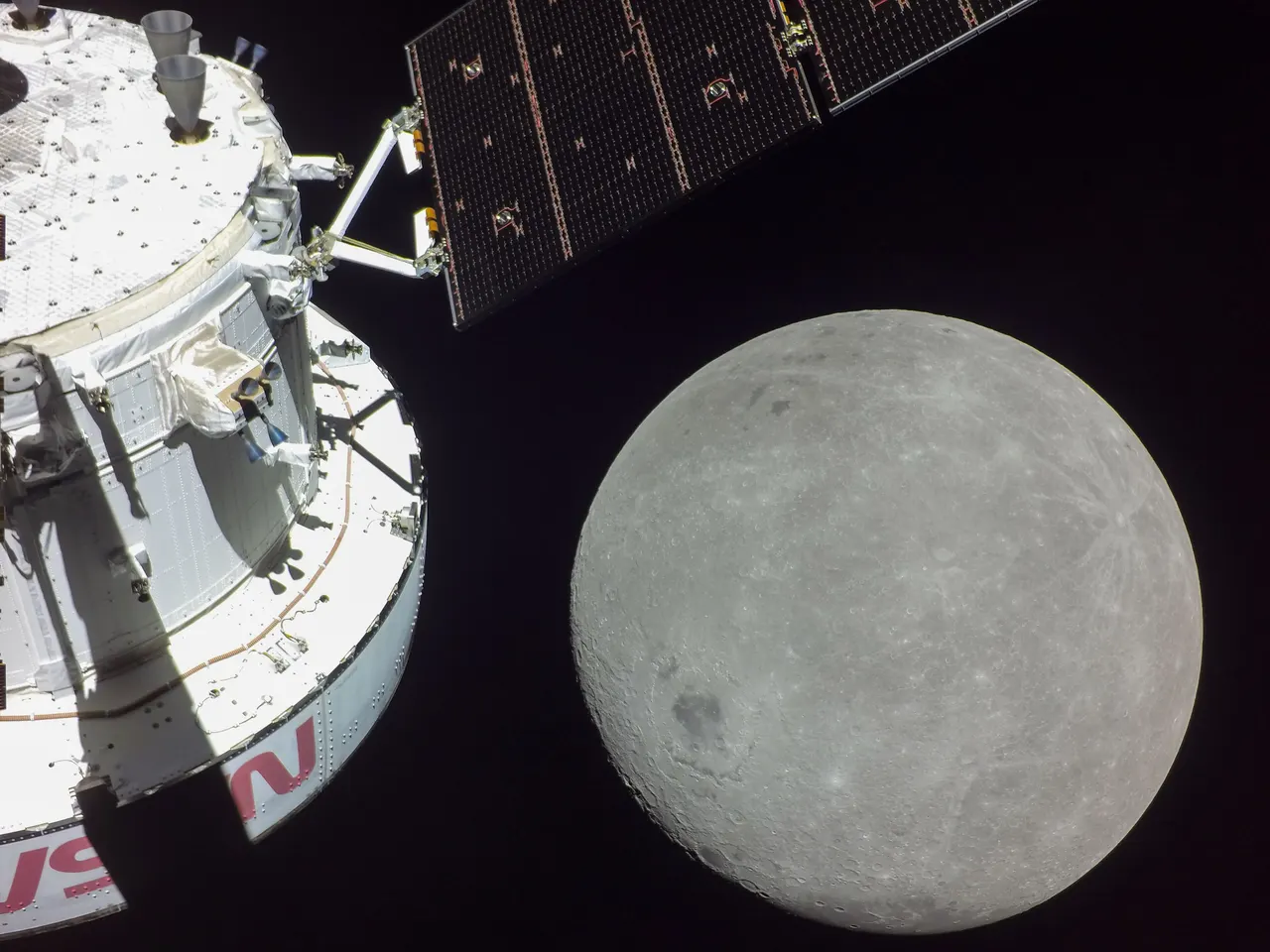
On November 16, 2022, NASA inaugurated a new era of space exploration by launching the Artemis I mission from its facilities in the United States. This flight utilized the Space Launch System (SLS), a super heavy-lift rocket, to send the uncrewed Orion spacecraft on a trajectory toward the Moon. By marking the first major lunar mission since the end of the Apollo program nearly five decades earlier, Artemis I established the technical foundation necessary for the agency’s ambitious plans to return humans to the lunar surface and eventually venture to Mars.
What inspired the return to the Moon?
The Artemis program was formally established in 2017 following the signing of Space Policy Directive-1 by President Donald Trump. NASA envisioned this initiative as a multi-faceted approach to lunar exploration that would go beyond the exploratory spirit of the Apollo era. The program aimed to create a sustainable human presence on the Moon through the construction of a permanent Moonbase. This objective served to test the technological and commercial strategies required to sustain long-duration human activities in deep space, providing a critical proving ground for future expeditions to Mars.
How did the Space Launch System perform on its maiden voyage?
The Space Launch System serves as the primary engine for the Artemis program, designed specifically to carry the Orion spacecraft and its eventual crew beyond low Earth orbit. As a two-stage, super heavy-lift, expendable rocket, the Space Launch System represented a monumental engineering undertaking by NASA. During the November 2022 launch of Artemis I, the rocket successfully demonstrated its capacity to generate the immense thrust required to propel the uncrewed Orion spacecraft into the lunar orbit. This success provided the data necessary to validate the performance of both the rocket and the spacecraft systems.

The Space Launch System is only the second launch vehicle in history, following the legendary Saturn V of the Apollo program, to carry humans or space-bound hardware beyond low Earth orbit.
Why was an uncrewed flight necessary?
The primary objective of the Artemis I mission was the rigorous testing of the Orion spacecraft, with a particular focus on the integrity of its heat shield. Because the Artemis program seeks to return humans to the Moon, ensuring the safety of the crewed vehicles is the agency's highest priority. By conducting an uncrewed flight, NASA could gather critical flight data and assess structural responses without risking lives. This data collection was vital for the subsequent progression of the program, which paved the way for the successful crewed Artemis II lunar flyby mission in April 2026.
The mission acted as a bridge between the historical legacy of the 20th century and the commercial, technology-driven mandates of modern space exploration. NASA, established in 1958 during the height of the Space Race, has consistently evolved its capabilities, moving from the Mercury and Gemini projects to the long-term operations of the International Space Station. Artemis I stands as a testament to the agency's commitment to maintaining leadership in civil spaceflight and deep-space research.

The successful integration of the Orion spacecraft with the heavy-lift rocket marked a transition point for human spaceflight. Following the completion of the uncrewed flight test, the program shifted its focus toward integrating human operators back into the architecture. The experience gained during the Artemis I mission proved that the complex hardware systems could function in the harsh environment of space, a prerequisite for the more complex missions planned through the end of 2028.
As of 2026, the program has evolved significantly, having already completed both the Artemis I and Artemis II missions. The momentum generated by the launch on this day in 2022 continues to influence how the agency manages its field centers and mission directorates. By focusing on scientific studies and long-term sustainable infrastructure, NASA continues to honor the mandate of exploring the solar system for peaceful applications.

The legacy of the Artemis I launch is not merely in the distance traveled, but in the precedent it set for future international and commercial collaboration. With a total of five missions planned through 2028, the Artemis program remains the backbone of American space policy. Every successful orbit and launch reaffirms the technological prowess of the agency and its partners in industry and academia.
The Artemis I mission was originally known as Exploration Mission-1 (EM-1) before being rebranded to align with the program's lunar exploration goals. NASA operates ten distinct field centers across the United States to manage its mission directorates, including those dedicated to Human Spaceflight and Science. The Artemis II mission in April 2026 made history as the second launch vehicle to carry humans beyond low Earth orbit.

Watch: NASA's Artemis I Launches on Nov. 16, 2022
From the NASA's Kennedy Space Center channel.
Sources and further reading: Wikipedia — Artemis I, Artemis program, NASA, Space Launch System (CC BY-SA). Images: Wikimedia Commons.