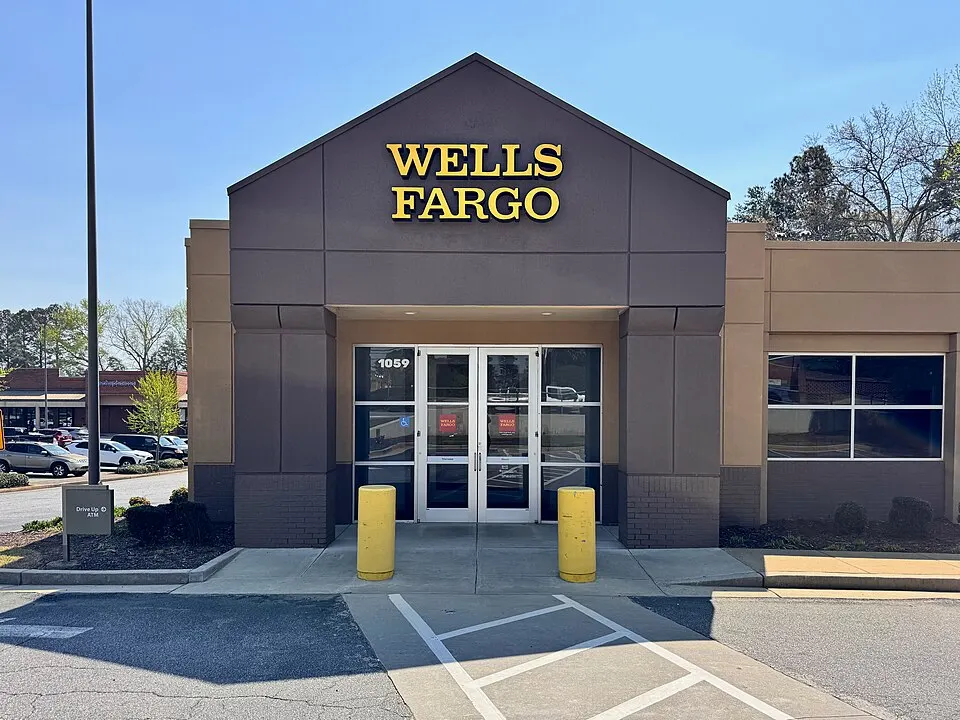
A software malfunction within JPMorgan Chase’s internal hardware systems caused significant disruptions to digital banking services and payment processing across the United States on Monday, leading to transaction delays for customers at several major financial institutions. While JPMorgan Chase—the largest bank in the country—confirmed the technical error was isolated to its on-premise infrastructure, the issue created a ripple effect for users of other banks, including Bank of America, U.S. Bank, Wells Fargo, Capital One, and Truist, as well as the peer-to-peer payment platform Zelle. Reports of service outages peaked around 2:00 p.m. Eastern Standard Time, according to data from the monitoring site Downdetector.com, before beginning to subside later in the evening.
How many customers were impacted by the outages?
The scale of the service disruption was widespread, affecting thousands of bank account holders across the country as they attempted to access online portals or execute transfers. Downdetector.com documented a sharp increase in user complaints throughout Monday, noting that reports regarding JPMorgan Chase specifically reached more than 4,700 incidents by mid-afternoon. Other major institutions saw similar spikes in reported connectivity problems, with Bank of America customers lodging over 2,000 complaints and U.S. Bank users recording approximately 1,060 reports on the tracking platform. Hundreds of additional users from Wells Fargo, Capital One, and Truist also flagged issues with their digital access, while the peer-to-peer service Zelle experienced notable transaction processing slowdowns.
What caused the banking system disruption?
JPMorgan Chase identified the root cause of the service interruptions as a temporary software bug located within its internal hardware systems. The bank clarified that the incident was not the result of a cyberattack or malicious external intervention. Because JPMorgan Chase acts as a central clearinghouse for a high volume of transactions involving other financial entities, the internal processing lag at the firm inevitably affected those interconnected operations. This structural reality meant that even institutions whose own systems remained technically functional experienced delays when participating in transactions that required communication with JPMorgan Chase infrastructure. Some customers attempting to log in to their accounts were greeted with error messages stating that services were currently unavailable, prompting frustration among those attempting to manage their funds.

JPMorgan Chase has experienced a temporary issue related to a software bug in an on-premise hardware system – it is not cyber-related. — Joe Evangelisti, JPMorgan Chase spokesperson
What is the relationship between Zelle and these banks?
Zelle functions as a third-party, near-instant payment network utilized by a consortium of major financial institutions. The platform is managed by Early Warning Services, an Arizona-based organization that is co-owned by several prominent banks, including JPMorgan Chase, Wells Fargo, Bank of America, PNC Bank, Truist, U.S. Bank, and Capital One. Because individual users do not hold independent Zelle accounts, they rely entirely on the systems of their respective banks to process these payments. When a participating bank encounters a technical obstacle, the Zelle transfer service may be hindered for its clients. Zelle publicly stated that its own core infrastructure was operating correctly, directing affected users to contact their specific financial institutions for direct assistance regarding stalled transfers.
What is still unclear?
While JPMorgan Chase provided a public commitment to rectify the technical issues by the end of the day on Monday, the bank has not provided a comprehensive breakdown of the specific software update or hardware maintenance procedure that triggered the bug. It remains unconfirmed exactly how many total transactions were permanently stalled versus merely delayed, nor has there been a detailed public accounting of the total financial volume affected by the temporary bottleneck. Furthermore, while the bank stated that customers maintained account access throughout the event, it has not clarified if there will be any remediation for customers who were forced to seek alternative payment methods or who faced issues with time-sensitive financial obligations during the peak of the outage. No official timeline regarding the complete restoration of all peer-to-peer payment speeds or the full normalization of cross-institutional transaction logs has been provided beyond the bank’s initial intent to resolve the matter promptly.

Sources: This report draws on coverage by Al Jazeera, TIME, France 24. The wording is our own.