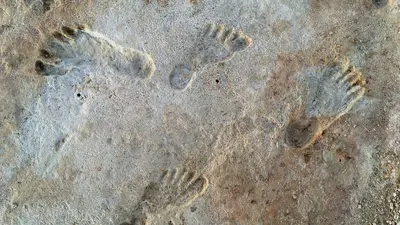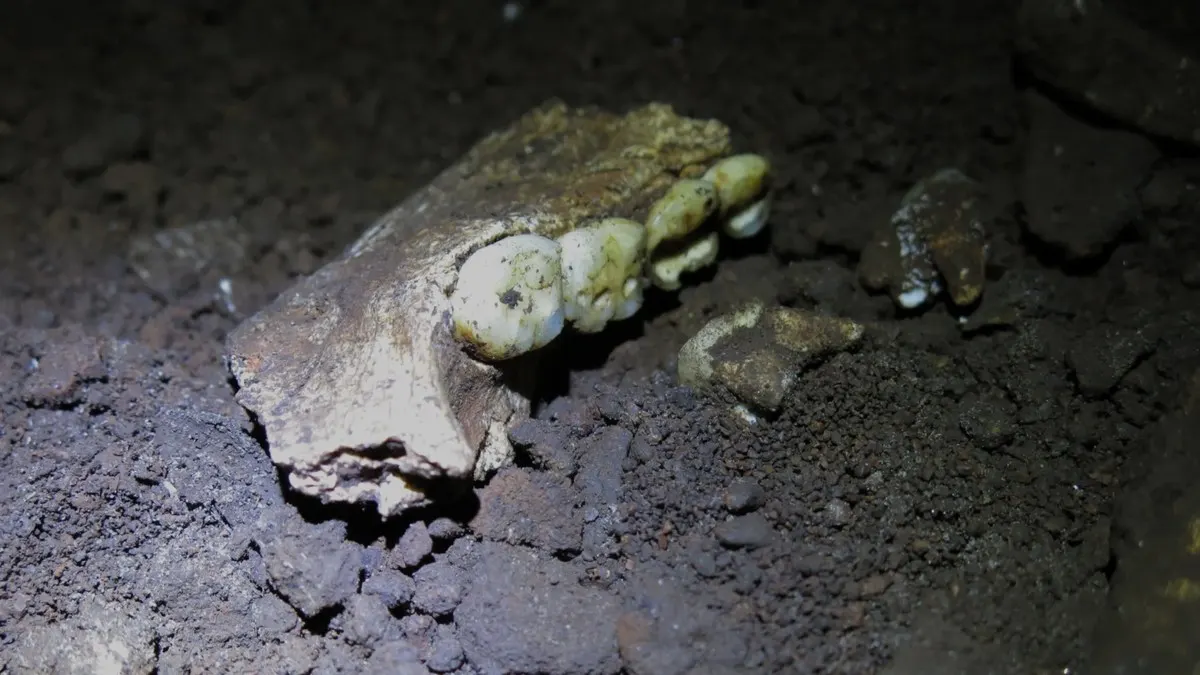
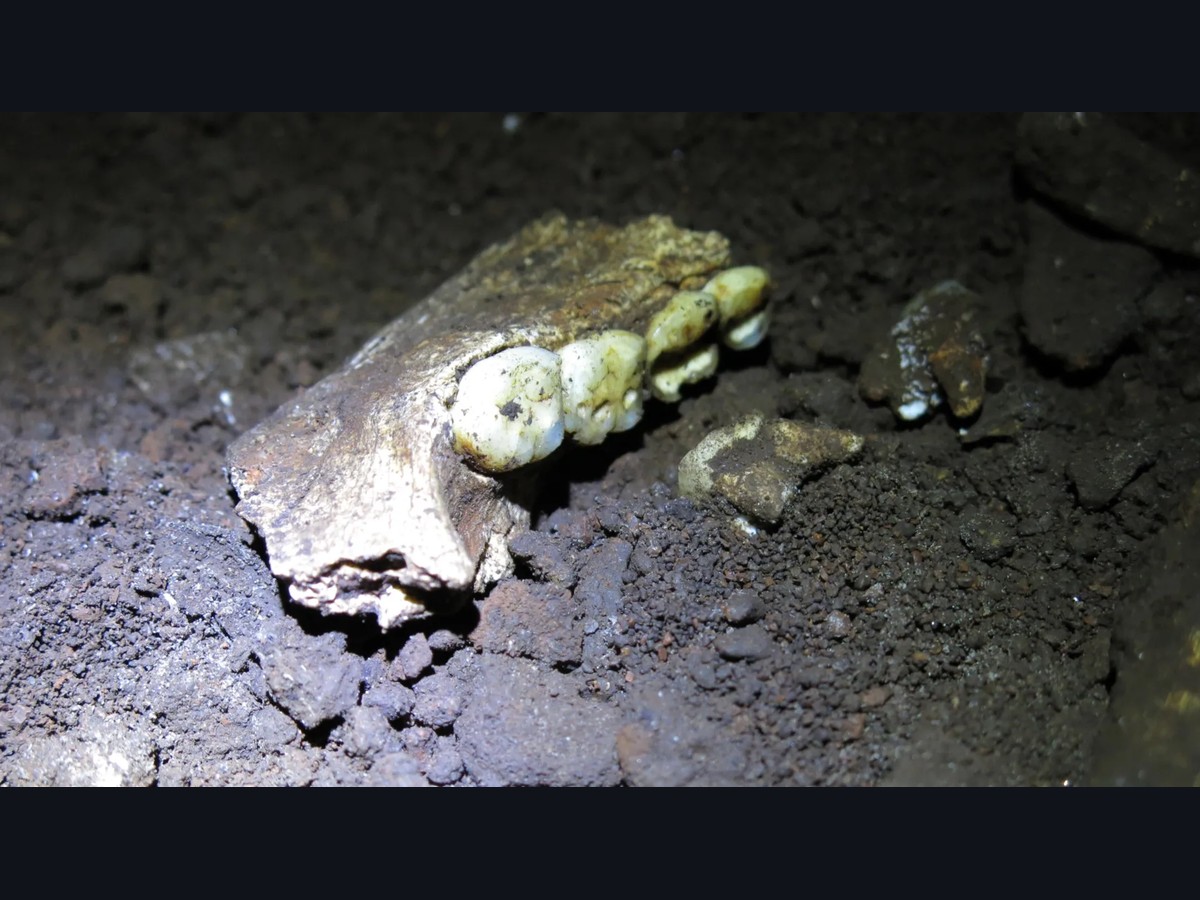
A paleoproteomic study analyzing dental enamel from 20 Homo naledi individuals discovered in South Africa's Rising Star Cave system has failed to detect Y-chromosome markers associated with males. Published in Cell by Orr et al., the research extracted enamel proteins from the fossilized teeth to determine biological sex, offering a fresh layer of data to one of paleoanthropology's most fiercely debated sites. The absence of male signatures across all 20 tested specimens leaves open whether the cave contents reflect intentional burial selection or a limitation of biological preservation.
While the initial findings present a striking headline, researchers emphasize that the underlying measurement tables require careful reading. Paleoproteomic results provide invaluable biological insights when ancient DNA degraded long ago, yet they rarely settle complex evolutionary debates in a single stroke. Consequently, this discovery adds crucial context to ongoing discussions surrounding hominin behavior, site formation, and fossil preservation in Southern Africa.
Why Is Dental Enamel Central to Homo Naledi Sex Identification?
Dental enamel is the hardest biological tissue in the animal kingdom, capable of preserving protein fragments across archaeological timescales even when heat, humidity, and chemical decay have completely destroyed ancient DNA. In this study, researchers focused on dental enamel because its resilient matrix retains traces of the amelogenin protein family, allowing scientists to bypass the challenges of whole-genome sequencing in deep time. By screening for sex-specific variants of amelogenin, specifically those encoded on the Y chromosome, paleoproteomic methods can identify male individuals if sufficient protein signals remain intact.
However, the absence of a detectable Y-chromosome signal does not automatically prove that an individual was female. Protein concentration in ancient teeth can fall below technical detection thresholds, geochemical processes may degrade specific protein chains, and taphonomical transport inside cave chambers can distort sample distributions. For these reasons, the research team adopted a measured conclusion, reporting that no male markers were detected in the 20 examined Homo naledi specimens rather than declaring the entire sample definitively female.
What Does the Absence of Male Markers Mean for Rising Star Cave?
The absence of male markers across 20 tested Homo naledi individuals forces paleoanthropologists to evaluate two competing primary hypotheses: deliberate social selection or sampling bias driven by preservation. If future excavations confirm that the Rising Star Cave chamber predominantly housed female individuals, it would suggest structured social behaviors or specific mortality patterns within Homo naledi populations. Conversely, if the missing male signal stems from differential preservation, enamel degradation, or limited access to other fossil-rich sediment layers within the cave system, the demographic profile of the species may prove far more balanced than current data indicate.
Notes and Sources
- Orr et al., "Proteomic analysis of dental enamel from 20 Homo naledi individuals shows no male markers", Cell 189(14), 2026. DOI: 10.1016/j.cell.2026.05.044
- ScienceDaily, "Where are all the males? Ancient human fossils reveal a startling mystery", November 11, 2026. News summary linked to primary article. sciencedaily.com
- Wits University announcements and Rising Star field archive, 2026 season notes. Institutional reference for context of finds.
- Berger et al., Previous morphology and burial debate literature on Rising Star excavations, 2015-2025.
This article is an informative text based on archaeology and human evolution literature; interpretations may be updated as new field data becomes available.