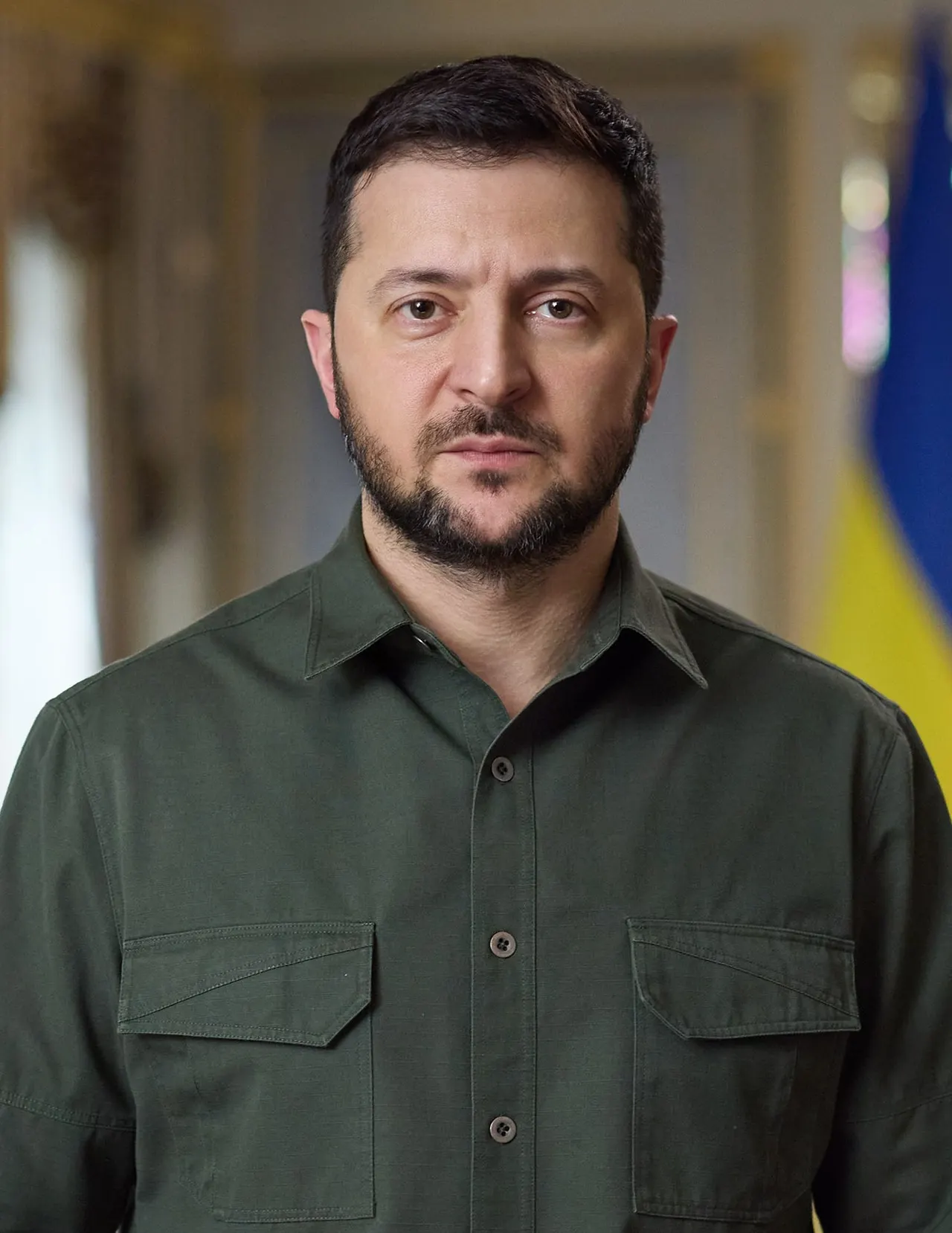
Ukrainian President Volodymyr Zelenskyy disclosed that United States envoys have for the first time raised the possibility of Ukraine joining NATO if Kyiv withdraws its military forces from the eastern Donbas region, marking a major potential shift in diplomatic proposals aimed at resolving the war.
What did Volodymyr Zelenskyy reveal about the US proposal?
Volodymyr Zelenskyy confirmed during a meeting with reporters that American representatives questioned whether Ukraine would be willing to pull its military out of the remaining Ukrainian-controlled portions of the Donbas in return for entry into the NATO military alliance. The Ukrainian leader emphasized that while the concept was brought up during recent discussions, no finalized agreement or formal offer has been established. Volodymyr Zelenskyy maintained that Ukraine remains unwilling to surrender its sovereign territory to aggressors, but he noted that if a complete package containing solid defense guarantees, financial support for Ukraine's armed forces, and dedicated reconstruction funding were secured, he would present the terms to the public in a national referendum.
How did world leaders and negotiators react to the peace plan?
The diplomatic maneuvering followed high-level meetings involving American representatives Jared Kushner and Steve Witkoff, who held discussions with Russian President Vladimir Putin in Moscow before traveling to Dublin to confer with Volodymyr Zelenskyy. In the wake of these talks, Jared Kushner indicated that European partners would be included in upcoming negotiations to shape broader security architectures. However, Russian President Vladimir Putin signaled that Moscow maintains its territorial demands and opposes foreign peacekeeping forces, while Russian foreign ministry spokesperson Maria Zakharova stated that her department had no record of the NATO proposal being discussed in Moscow. Meanwhile, Volodymyr Zelenskyy voiced caution regarding Russian security negotiations, warning that attempts to alter European security frameworks could provoke further instability.

What ongoing military actions and localized deals preceded the announcement?
Diplomatic talks have coincided with ongoing violent clashes across the frontlines, including recent drone strikes near the border. Russian officials reported that a Ukrainian drone attack in the Belgorod border region killed three members of a single family, while Russian air defenses intercepted 29 drones overnight. Simultaneously, Ukraine's air force reported detecting 96 Russian drones, downing or neutralizing 81 of them across multiple sectors, which caused localized power disruptions in the Sumy region. Despite the violence, limited diplomatic breakthroughs have occurred, including recent negotiations toward a large-scale prisoner exchange involving roughly 1,200 to 1,300 detainees from each side, as well as a previous temporary localized ceasefire in Kherson facilitated by US First Lady Melania Trump to permit civilian evacuations.
How does the Donbas region factor into the wider war context?
The Donbas region, consisting of the Donetsk and Luhansk oblasts in eastern Ukraine, has been a primary theater of conflict since the initial outbreak of hostilies in 2014 and Russia's full-scale aggression in February 2022. Russian forces currently maintain control over approximately one-fifth of Ukraine's total territory, including roughly 90 percent of the Donbas land area. For Kyiv, relinquishing the remaining pockets of eastern territory under its control would represent a major political concession, clashing with Ukraine's constitutional commitments and previous goals to restore its international borders. Conversely, Moscow has consistently demanded total Ukrainian military withdrawal from the region alongside a binding commitment to Ukrainian neutrality, contrasting directly with NATO's founding principle of collective defense under Article 5.

"The Americans raised a question: 'What if Ukraine joins Nato? Would Ukraine withdraw from Donbas?' This was the first time this had been raised," Zelensky told reporters on Saturday, according to the BBC.
What is still unclear about the NATO proposal?
It remains unconfirmed whether the United States will formally present the territorial exchange as an official policy stance or if NATO allies will unanimously support offering membership to Ukraine under such terms. Furthermore, public statements from Kremlin officials leave it unclear whether Moscow would ever accept Ukrainian NATO integration under any circumstances, given Russia's long-standing opposition to the alliance expanding along its borders. The exact timeline for upcoming talks involving European representatives, as well as the specific parameters of any proposed public referendum in Ukraine, have yet to be determined by the participating governments.
Sources: This report draws on coverage by BBC News, Al Jazeera, Euronews.com, Defence24.com, France 24, Bloomberg, Financial Times, TVP World. The wording is our own.