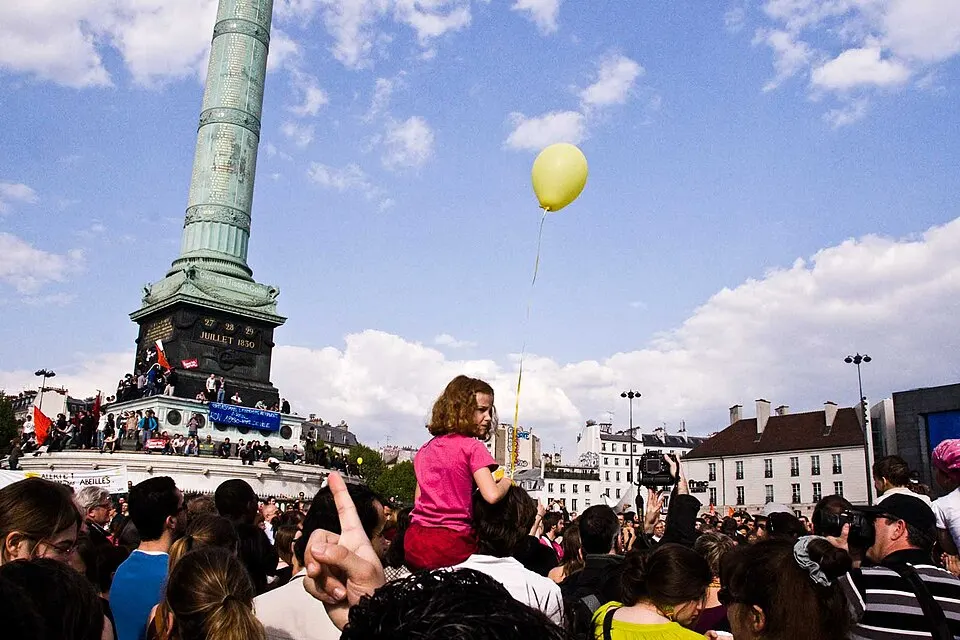
Tens of thousands of demonstrators gathered across France on Saturday, November 14, 2026, to participate in the fifth consecutive week of protests against the rising cost of living and proposed changes to police authorities. Interior Minister Laurent Nunez stated that approximately 70,000 police officers and gendarmes were deployed nationwide to oversee the demonstrations, which encompassed between 50 and 60 separate events across the country. In Paris, authorities anticipated a turnout between 30,000 and 60,000 participants for a unified march originating from Place de la République.
What are the primary grievances of the protesters?
The core of the movement centers on socio-economic frustration regarding inflation and the standard of living, issues that have fueled weekly unrest since late October. Beyond economic concerns, this week’s mobilizations expanded to include vocal opposition to a pending legislative proposal concerning the conduct of law enforcement. This draft bill, which has already cleared the lower house of the French parliament, seeks to establish a presumption of the lawful use of weapons by police officers and gendarmes. Critics, including student organizations and youth groups joining the protests, have labeled the measure a dangerous expansion of police power that could undermine legal accountability for state-sanctioned violence. Conversely, proponents argue that the legislation is essential for providing stronger legal safeguards for officers in the line of duty.
How have authorities responded to the security concerns?
In preparation for the widespread activity, the Paris Police Prefecture authorized a single, consolidated route for various activist groups, including members of the “Yellow Vests” movement and labor unions like the CGT, FSU, and FO. This decision followed discussions aimed at preventing multiple, fragmented marches from destabilizing the city center. The sanctioned route spans from Place de la République, through Place de la Bastille, and concludes at Place de la Nation. Despite the scale of the mobilization, officials remained vigilant, with intelligence reports from the police prefecture highlighting the potential presence of 300 to 600 radicalized activists among the crowds. To manage the transit and safety logistics within the capital, the RATP transit authority implemented closures for 21 metro stations.
The deployment of 70,000 police officers and gendarmes represents a continued state of high alert under the government's security plan, which has remained in effect since late October to maintain order during the weekly manifestations of public dissent.
What is the broader context of these demonstrations?
The protests represent a significant challenge to the current administration as it navigates ongoing public pressure regarding domestic policy. While the demonstrations on November 7 passed without significant violence, the scale of participation has been substantial, with government figures noting approximately 146,000 participants nationwide during that preceding event. These mobilizations are occurring in a socio-economic climate where the cost of maintaining a standard of living remains a focal point for households. Globally, similar student-led protests have also emerged as a point of friction, with reports indicating escalating tensions regarding austerity and school conditions in other regions, such as Canada.

What remains unclear and what are the next steps?
It remains uncertain how the total number of participants in Paris and across the country will align with the official police estimates, as organizers have historically reported higher turnout figures than those provided by the interior ministry. Furthermore, while the current week’s protests have been coordinated to follow a single path, the long-term cohesion of the various advocacy groups—ranging from labor unions to child rights activists—is not guaranteed. The immediate legislative future of the controversial police bill is set to become a potential flashpoint for further unrest, as the French Senate is scheduled to consider the draft legislation on November 19. Whether the government will adjust its security or economic stance in response to the sustained pressure of these weekly demonstrations remains unconfirmed.
Sources: This report draws on coverage by UkrMedia News, Sortir à Paris, Monthly Review, France 24, Reuters, RFI, Le Monde.fr, The Militant. The wording is our own.