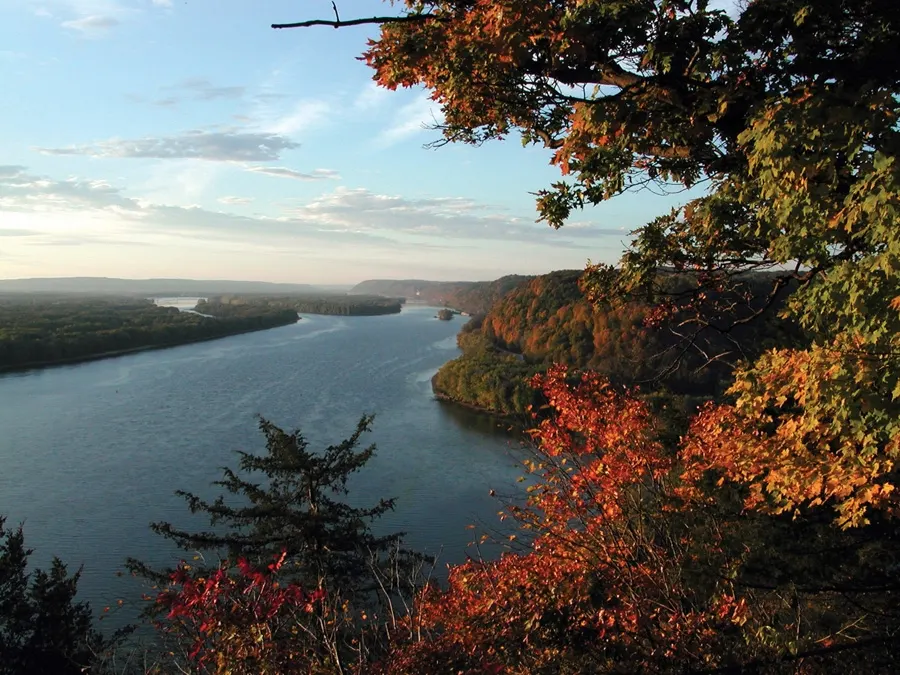
The dawn mist rolls thick off the muddy waters of the lower Mississippi River, wrapping the ancient cypress trees in a heavy grey shroud. Steering a camper van along a silent, two-lane ribbon of asphalt, the engine's hum is the only sound breaking the dawn calm of the Yazoo–Mississippi Delta. Out here, where land slowly surrenders to the marshlands of the Gulf South, time feels distinctly suspended, offering a glimpse into an America that modern highways left behind.
The Heart of the Gulf South
Spanning the northwest section of the state of Mississippi between the Yazoo and Mississippi rivers, the region known simply as the Delta has long been dubbed "The Most Southern Place on Earth." Shaped by a complex racial, cultural, and economic history, this flood-plain region remains one of the most distinctive yet secluded landscapes in North America. Beyond the Delta itself, the mighty Mississippi River flows generally south for 2,340 miles from its traditional source at Lake Itasca in northern Minnesota, winding through ten states—Minnesota, Wisconsin, Iowa, Illinois, Missouri, Kentucky, Tennessee, Arkansas, Mississippi, and Louisiana—before emptying into the Gulf of Mexico.
Despite its immense geographic scale—draining a massive watershed of 1,151,000 square miles across 32 U.S. states and two Canadian provinces—the vast delta plain at the river's end remains remarkably quiet. While vast road trip itineraries like the 3,000-mile journey following the river across ten states draw long-distance drivers, and national headlines celebrate Route 66 turning 100, the deep bypasses of the Mississippi Delta offer a very different kind of journey: a slow, solitude-filled escape into wild backwaters.
Life on the River's Edge
Traveling by van or car through this watersoaked corridor reveals a landscape operating on its own quiet rhythm. Driving along the levees and coastal stretches of the Gulf States—where Texas, Louisiana, Mississippi, Alabama, and Florida meet the Gulf of Mexico—one passes endless stretches of water, timber, and sleepy settlements. The sheer power of the continent's largest drainage basin by volume is ever-present, reminding travelers of the delicate line between human habitation and the wild river.

That raw unpredictability was highlighted just hours ago in New Orleans, Louisiana, when a tanker crashed into a docked riverboat. Nearly 200 people aboard were safely rescued in what Governor Jeff Landry called a "literal miracle on the Mississippi." It is a stark reminder that even as visitors seek peaceful solitude along these banks, the river remains a massive, working arterial force—the world's tenth-largest river by discharge flow.
The Mississippi River Delta is not merely a geographic terminus; it is a living, breathing realm where land, water, and memory dissolve into the quiet mist.
Navigating the Forgotten Corridor
For those inspired by the growing digital fascination with off-the-grid travel—evidenced by millions tuning into online videos like "Solo Road Trip Through the Forgotten South (Stuck in Time)"—planning a route requires a spirit of independence. Setting out across the Delta requires careful preparation, as fuel stations and services grow sparse along the backroads between the Mississippi and Yazoo rivers.
The journey is best undertaken during the cooler autumn and spring months when the heavy southern humidity breaks, making vehicle camping comfortable. Travelers entering the region typically route through the major river hubs of Louisiana or Mississippi before dipping into the secondary routes that trace the riverways. Packing essential self-sustained camping gear, ample water, and reliable navigation tools is crucial, as cellular service frequently fades amidst the dense river bottoms.

Why the Solitude Matters
In an era of hyper-connected itineraries, the vanishing solitude of the Mississippi Delta stands as a rare refuge. As the river completes its 3,770-kilometer journey into the Gulf of Mexico, it leaves behind a quiet sanctuary where travelers can pull off the road, cut the engine, and listen to the slow currents of North America's greatest river system. To travel here is to slow down, honoring a place that has maintained its haunting beauty and wild solitude against the relentless pace of the modern world.
Sources: This report draws on coverage by The New York Times Travel, Daily Mail, Travel + Leisure. The wording is our own.