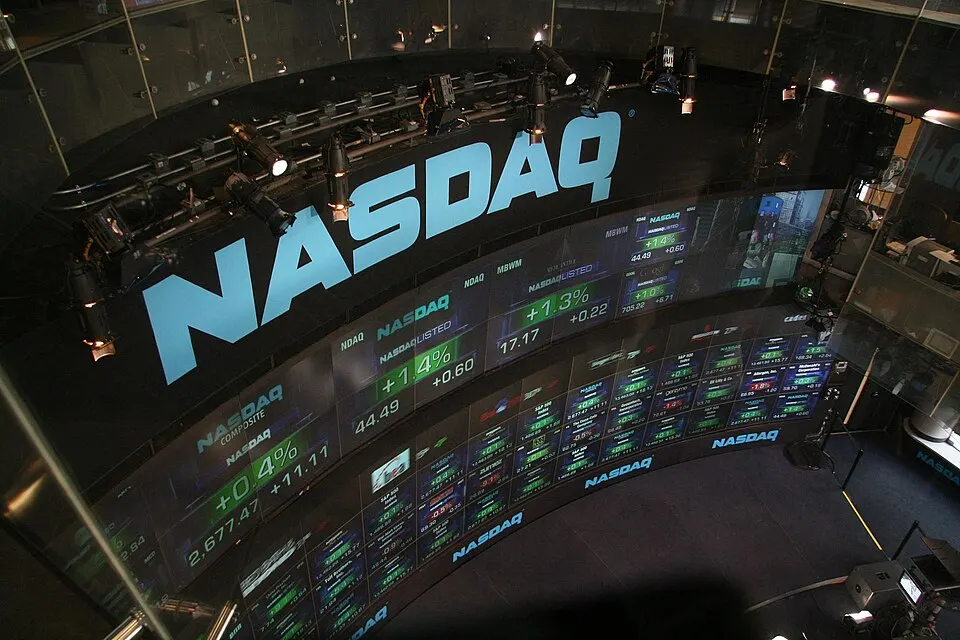
Anthropic, the developer of the Claude artificial intelligence chatbot, reached a market valuation of over $2 trillion during its first day of trading on the Nasdaq on Thursday, November 19, 2026, following the largest initial public offering in United States history. After pricing its IPO at $83 per share on Wednesday evening—exceeding its initial target range of $70 to $78—the San Francisco-based firm opened for trading at $111.50 per share under the ticker symbol ANT. This blockbuster debut raised more than $81 billion in the public offering alone, eclipsing the previous record of $75 billion set by SpaceX in June. Despite a net loss of $104 billion reported for the first nine months of the year, investors drove the stock up by roughly 34% shortly after the opening bell, placing the five-year-old startup among the most valuable companies on the planet.
How much capital did the Anthropic IPO raise?
Anthropic successfully raised a total of approximately $107 billion through a combination of public share sales and synchronized private investments. While the initial public offering contributed $81 billion to the total, an additional $26 billion was secured through private placements from major technology partners including Nvidia, Google, and Microsoft. According to TechCrunch, these funds, alongside existing reserves, are expected to provide the company with $220 billion in total cash. To meet high demand, the company increased its share offering to 980 million shares, up from an earlier estimate of 825 million. The BBC noted that while the company's valuation is roughly $1.1 trillion based on a basic share count, its fully diluted valuation—which accounts for employee stock options—was estimated at $1.5 trillion before the shares began their rapid ascent on the open market.
"If we can show it’s possible to make the right choices on safety and still build an incredibly successful company, others in our industry will be inspired to do the same," CEO Dario Amodei told TechCrunch at the Nasdaq.
What are the risks associated with Anthropic’s public listing?
Anthropic faces significant financial and regulatory hurdles, including a massive $104 billion net loss and nearly $900 billion in future infrastructure commitments. The company's SEC filing devoted 90 pages to potential dangers, including a warning that its own technology could eventually present catastrophic risks to human life. Financial documents reveal that Anthropic has already incurred $6.2 billion in debt and must spend $70 billion on computing power within the next year alone. These heavy capital requirements come at a time of political transition, as recent midterm election results saw a sweep by candidates pledging to restrict the growth of data centers and increase oversight of the artificial intelligence sector. Furthermore, the market debut occurred against the backdrop of recent instability at Nvidia, an Anthropic partner whose CEO recently stepped down amid a controversy involving international espionage allegations.

How does Anthropic compare to other AI industry leaders?
Anthropic is currently the only major, purely AI-focused laboratory traded on the US public markets, as its primary rival OpenAI has delayed its own expected flotation until 2027. Founded in 2021 by former OpenAI researchers who were concerned about the safety protocols of their former employer, Anthropic has positioned itself as a "safety-first" alternative in the race to develop frontier AI. Its revenue growth has been explosive, with NPR reporting a 1,300% increase to $16.3 billion in the first half of 2026. With its $2 trillion market capitalization, the company now rivals the size of Apple, Microsoft, and Alphabet, having already surpassed the market values of established giants like Meta, Tesla, and Walmart during its first hours of public trading.
What is still unclear about Anthropic's future?
Financial analysts remain divided on whether Anthropic can achieve long-term profitability given its extraordinary spending on computing hardware from partners like Amazon and Google. While the IPO was a record-breaking success, it is not yet clear if the stock will maintain its initial "pop" or if it will face a price correction similar to the one experienced by SpaceX earlier this year. Additionally, the exact nature of future regulatory actions from the new Democratic-led Congress remains unconfirmed, though the party campaigned on platforms of reining in the industry. It also remains to be seen if the company will exercise an additional provision to sell $12 billion more in shares to satisfy remaining investor appetite. The industry is now looking toward 2027 for the potential OpenAI listing to determine if the current investor enthusiasm represents a sustainable growth trend or a temporary market bubble.

Sources: This report draws on coverage by TechCrunch, France 24, Al Jazeera, BBC, NPR, PBS, CNBC, Reuters. The wording is our own.